Choosing the right power plant equipment manufacturer is important for ensuring the quality and reliability of components used in power generation projects. Buyers need to consider more than pricing. Manufacturing experience, fabrication facilities, material quality and inspection procedures all play a role in selecting a suitable supplier.
For project owners, EPC contractors and procurement teams, working with experienced power plant equipment manufacturers can help ensure that fabricated components meet project specifications and installation requirements. Here are the key factors to consider before selecting a manufacturing partner.
1. Evaluate Manufacturing Experience
Experience in industrial fabrication helps manufacturers understand engineering drawings, material specifications and project requirements. Before selecting a supplier, check its experience in producing components for power generation applications.
Consider the manufacturer’s previous projects, technical knowledge, production capabilities and ability to handle customised fabrication requirements. Reviewing its product range can also help determine whether its experience matches your project needs.
2. Check the Range of Manufacturing Capabilities
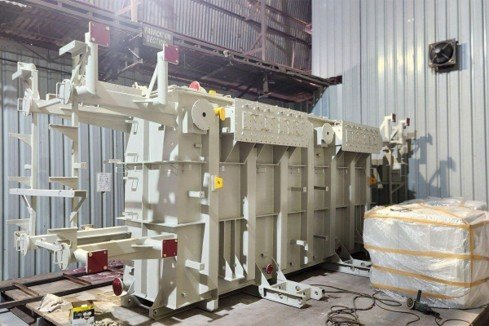
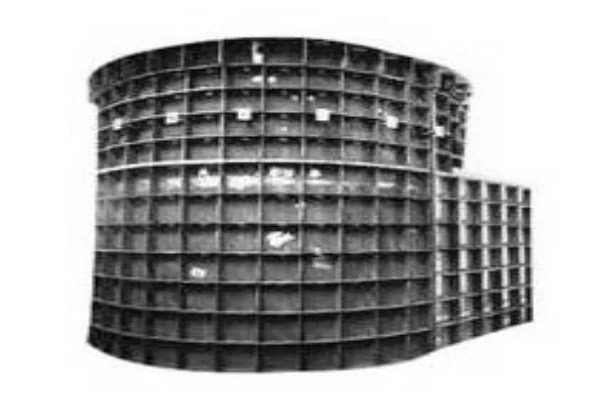
Power generation projects may require different fabricated components depending on the equipment design and application. For hydro turbine installations, these may include:
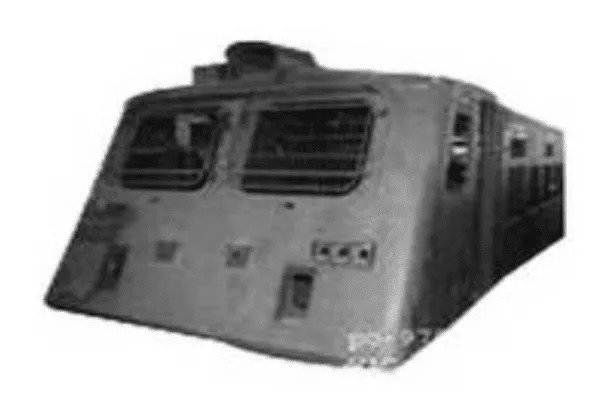
- Pit liners: Fabricated components used in designated areas of hydro turbine installations.
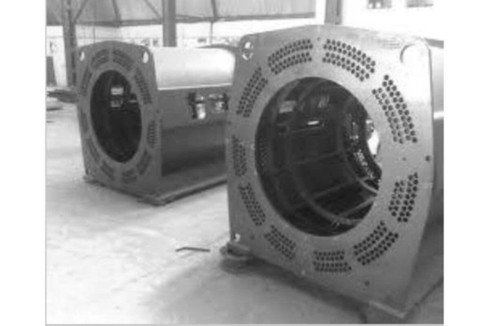
- Generator flooring: Flooring components manufactured to meet specified dimensions and installation requirements.
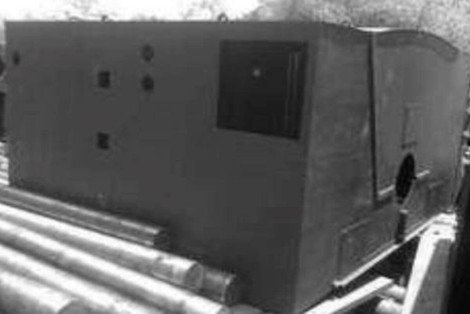
- DT liners: Specialised fabricated components used in hydro turbine-related applications.
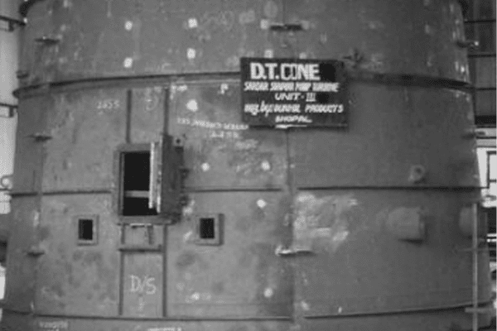
- DT cones: Conical components manufactured according to approved engineering drawings.
A suitable manufacturer should understand the required dimensions, material specifications and fabrication details before starting production.
3. Assess Material Selection and Quality
Material selection affects the strength, durability and suitability of fabricated components. Different applications may require specific material grades and thicknesses based on engineering requirements.
Before placing an order, check whether the manufacturer can work with the specified materials and provide relevant documentation, such as material test certificates where required.
Proper raw material inspection, identification and traceability also help maintain quality throughout the manufacturing process.
4. Examine Fabrication Technology and Facilities
Fabrication technology plays an important role in achieving the required dimensions and component specifications. Depending on the product, manufacturing may involve cutting, bending, rolling, shearing, welding and finishing.
Important capabilities to review include:
- CNC laser and plasma cutting.
- Hydraulic bending.
- Sheet metal rolling and shearing.
- Welding and assembly.
- Surface preparation and finishing.
Buyers should also consider whether the manufacturer’s production capacity is suitable for the project’s volume and delivery schedule.
5. Review Welding and Quality Control
Welding quality is essential for many fabricated components. Manufacturers should use suitable welding procedures and qualified personnel according to applicable project requirements.
Quality checks should take place throughout production, including incoming material inspection, dimensional checks, welding inspection and final verification against approved drawings.
Depending on the project, additional inspection methods and non-destructive testing may be required. Buyers should confirm the manufacturer’s testing arrangements and documentation before finalising the order.
6. Consider Customisation and Technical Support
Some power plant projects require components with specific dimensions, designs or material specifications. A manufacturer should be able to review approved drawings, understand technical requirements and coordinate clarifications before production.
Clear communication about drawing revisions, fabrication tolerances and inspection requirements can help reduce errors and avoid unnecessary rework.
7. Compare Delivery and Project Support
Timely delivery is important because fabricated components may be connected to wider project schedules. Check the manufacturer’s production planning, raw material availability, manufacturing capacity and dispatch arrangements.
A dependable power plant equipment supplier should communicate realistic delivery timelines and provide updates if production requirements or schedules change.
8. Verify Credentials and Documentation
Before selecting a manufacturer, review its company credentials and relevant quality documentation. Depending on the project, this may include quality certifications, material test certificates, inspection reports, welding documentation and dimensional records.
Ensure that certifications are valid and relevant to the work being undertaken. Also confirm which documents will be provided with the finished components.
Why Choose Shrao Engineering for Fabricated Power Plant Components?
Shrao Engineering Works has been involved in industrial manufacturing since 1982. Its fabricated product range includes hydro turbine-related components such as pit liners, generator flooring, DT liners and DT cones.
The company offers fabrication processes including CNC laser cutting, hydraulic bending, plasma cutting, rolling, shearing and welding.
Buyers looking for fabricated power plant components can review the company’s product range and discuss their specific project requirements.
Looking for fabricated power plant components? Contact Shrao Engineering to discuss your drawings, specifications and manufacturing requirements.
Frequently Asked Questions
1. What should I consider when choosing power plant equipment manufacturers?
Check manufacturing experience, fabrication capabilities, material quality, welding expertise, inspection procedures, production capacity and delivery commitments.
2. What components are used in hydroelectric power plants?
Depending on the system design, fabricated components may include pit liners, generator flooring, DT liners and DT cones, along with other project-specific parts.
3. Why is material selection important in power plant component manufacturing?
Material selection affects component strength, durability and suitability for its intended operating conditions. Materials should meet approved engineering specifications.
4. How do manufacturers maintain quality in fabricated components?
Quality is maintained through raw material inspection, controlled fabrication, dimensional checks, welding inspection and final verification against project specifications.
5. What should buyers check before selecting a power plant equipment supplier?
Buyers should evaluate the supplier’s experience, facilities, quality procedures, customization capabilities, documentation and ability to meet delivery schedules.