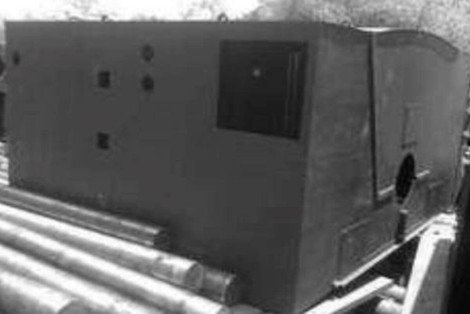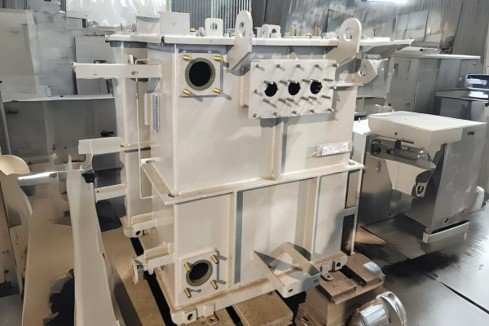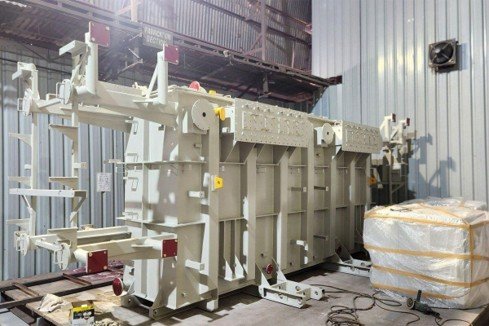
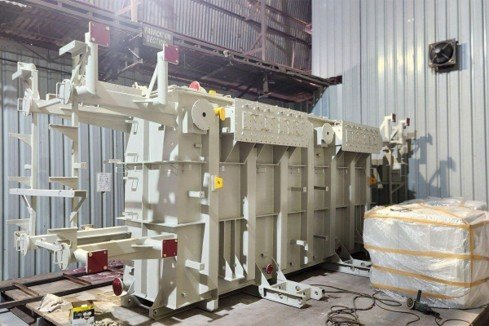
A transformer tank is a critical component that protects the transformer’s core, windings, and insulating oil from external conditions. Even a small leak can lead to oil loss, moisture entry, insulation problems, and reduced transformer performance. Therefore, achieving leak-proof fabrication requires careful engineering, quality materials, precision welding, and thorough testing.
1. Selecting the Right-Grade Material
The fabrication process begins with selecting suitable steel plates based on the transformer’s design, operating conditions, and required mechanical strength. Proper material thickness and quality help the tank withstand pressure, handling, temperature variations, and long-term service conditions.
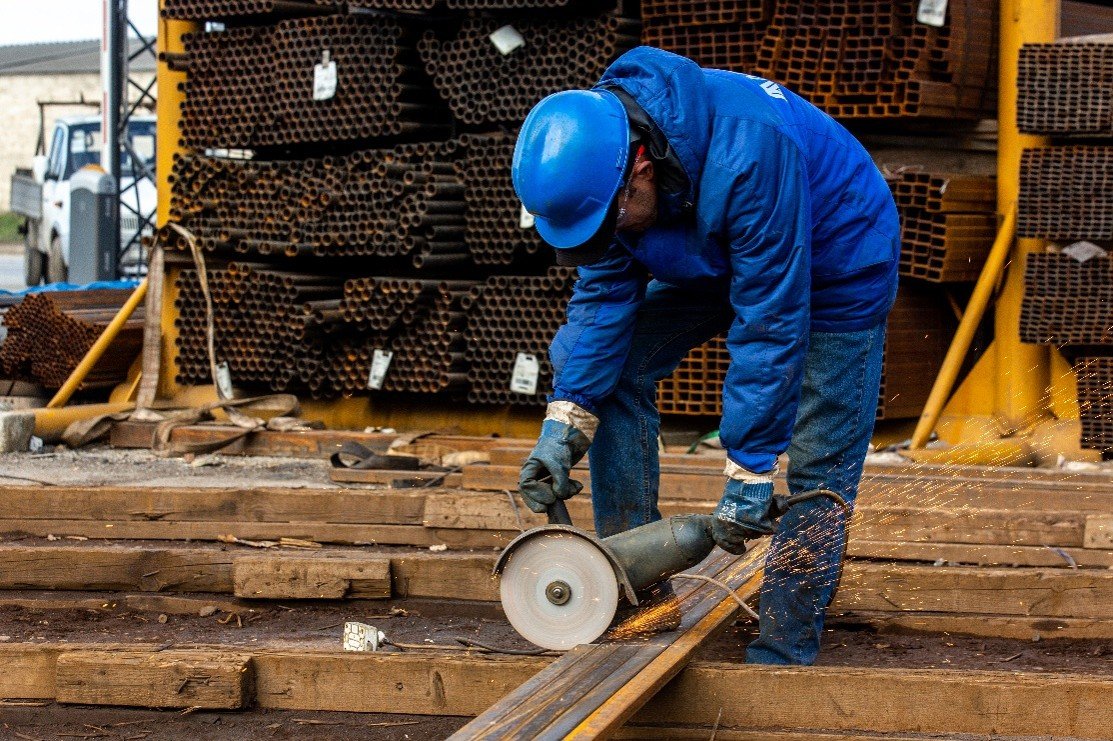
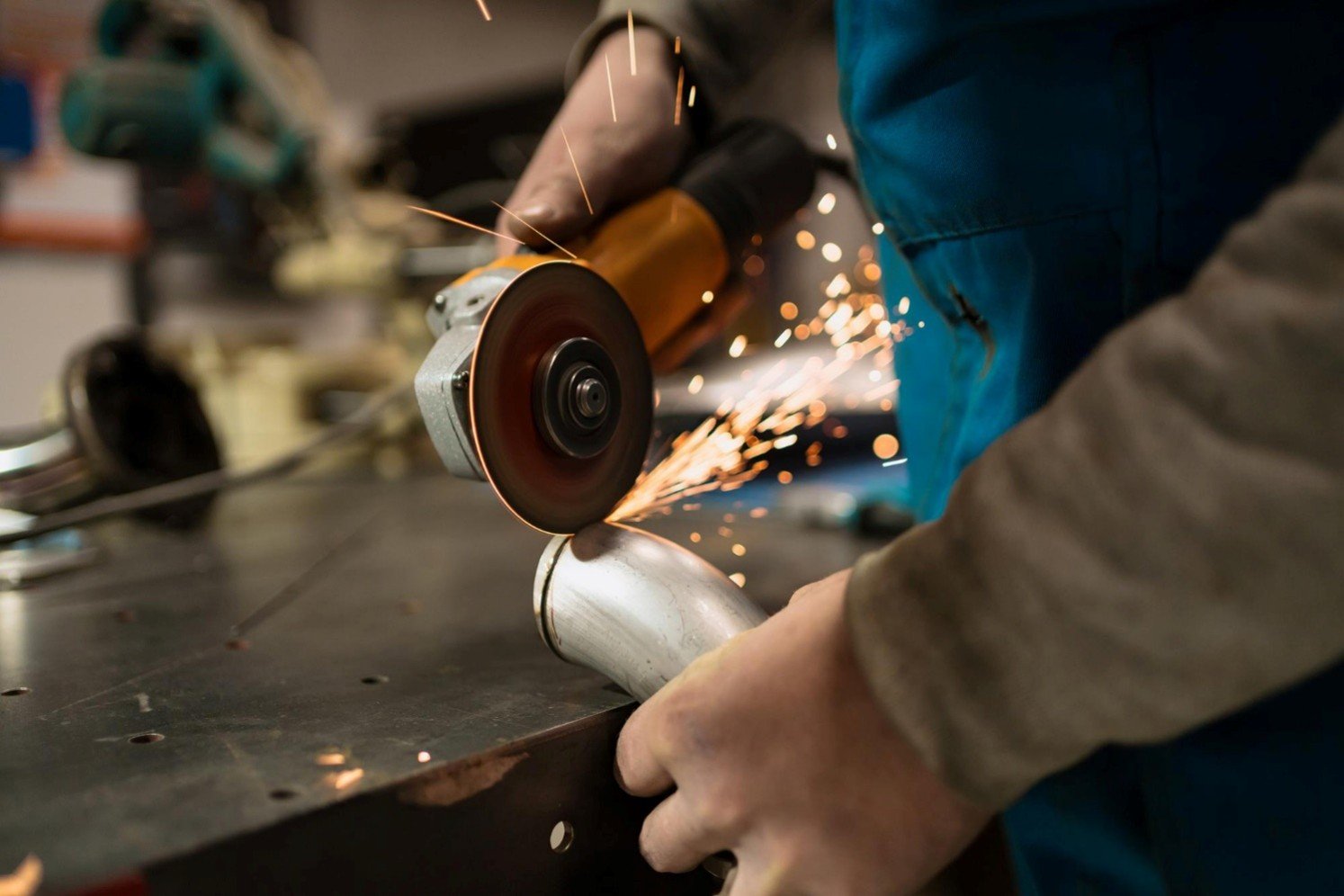
2. Precision Cutting and Fabrication
Accurate cutting and forming of steel plates are essential for maintaining dimensional accuracy. Modern fabrication equipment helps achieve consistent dimensions and proper alignment. Correct fit-up between different components reduces gaps and improves the quality of subsequent welding.
3. High-Quality Welding
Welding is one of the most important stages in manufacturing a leak-proof transformer tank. Skilled welders use suitable welding procedures, controlled parameters, and appropriate filler materials. Continuous and properly executed welds help prevent oil leakage through joints and seams.
Experienced transformer tank manufacturers also pay close attention to areas such as corners, flanges, nozzles, mounting points, and other joints where leakage risks can be higher.
4. Surface Preparation and Finishing
After fabrication, the tank surface is properly cleaned and prepared before protective coating. Suitable surface preparation and painting systems help protect the steel against corrosion, which can otherwise weaken the tank over time and create potential leakage points.
5. Leak and Pressure Testing
Testing is essential before the finished tank is dispatched. Manufacturers may conduct air-pressure or hydrostatic testing, depending on the tank design and applicable requirements. Welded joints, seams, flanges, and fittings are carefully inspected for leakage or pressure loss.
Visual inspection and, where required, non-destructive testing can further help identify welding defects that may not be visible to the naked eye.
6. Quality Control at Every Stage
Leak-proof fabrication is not achieved through testing alone. Quality control needs to be maintained from material selection and cutting to welding, finishing, inspection, and final testing. Proper documentation and process checks also help maintain consistency between batches.
A reliable transformer tank manufacturer in india understands that every transformer application can have different requirements. Engineering expertise and customised fabrication therefore play an important role in delivering dependable tanks.
Complete Transformer Tank Fabrication Services
Shrao Engineering provides complete services for transformer tank fabrication, covering manufacturing, precision fabrication, welding, finishing, inspection, and quality-focused solutions according to project requirements. With proper engineering practices and attention to fabrication quality, the company aims to deliver durable and dependable transformer tank solutions.
If you are looking for professionally fabricated transformer tanks with a strong focus on quality and leak prevention, contact Shrao Engineering today to discuss your requirements and get a suitable solution for your project.
FAQs
1. Why is leak-proof fabrication important for transformer tanks?
Leak-proof fabrication prevents transformer oil leakage and moisture entry, helping protect insulation, improve reliability, and support safe, long-term transformer operation.
2. Which material is commonly used for transformer tanks?
Steel is commonly used because it provides good mechanical strength, durability, weldability, and resistance to operating stresses.
3. How are transformer tanks tested for leaks?
Tanks can undergo pressure-based testing and detailed inspection of welds, joints, flanges, and fittings to identify potential leakage points.
4. Why is welding important in transformer tank fabrication?
Welding creates strong, sealed joints. Proper welding procedures and skilled workmanship are essential for preventing oil leakage.
5. Can transformer tanks be customised?
Yes. Tanks can be fabricated according to transformer capacity, dimensions, fittings, mounting arrangements, cooling requirements, and project specifications.
6. What causes transformer tank leakage?
Poor welding, corrosion, damaged joints, inadequate sealing, fabrication defects, or mechanical stress can contribute to transformer tank leakage.
7. How does surface treatment help transformer tanks?
Proper surface preparation and protective coatings help prevent corrosion, extending the tank’s service life and reducing leakage risks.
8. What should I consider when selecting a transformer tank supplier?
Consider fabrication expertise, material quality, welding standards, testing procedures, customisation capabilities, quality control, and after-sales support.