Industrial machines are expected to operate for long hours while maintaining accuracy, speed, and reliability. But even a well-designed machine can underperform when its individual components are poorly selected, incorrectly fitted, or manufactured without sufficient precision. From gears and shafts to fabricated parts and assemblies, every component has a role in determining how efficiently a machine performs.
The Small Parts Behind Big Performance
Machine performance is not controlled by the main machine body alone. Components work together to transfer motion, handle loads, reduce friction, and maintain alignment. If one part does not meet the required specifications, it can affect the entire system.
For example, an incorrectly dimensioned shaft can create alignment problems, while an unsuitable gear may cause excessive noise, vibration, or premature wear. This is why component selection should be based on the machine’s operating conditions rather than simply focusing on cost.
Precision Directly Impacts Accuracy
In industrial environments, even a small dimensional variation can become a significant operational issue. Components used in moving or interconnected systems need accurate dimensions and proper tolerances.
Precision-manufactured components allow machine parts to fit correctly and move as intended. Better dimensional accuracy can reduce unnecessary vibration, improve repeatability, and support consistent production quality.
Material Choice Matters More Than Expected
Different industrial applications expose components to different loads, temperatures, chemicals, and levels of wear. A component material that works well in one application may not be suitable for another.
Material selection influences strength, hardness, corrosion resistance, thermal stability, and service life. Choosing the right material can therefore help reduce component failures and unplanned maintenance.
Poor Components Can Increase Downtime
A machine may stop functioning efficiently when a critical component starts wearing prematurely. Repeated breakdowns can lead to production interruptions, repair costs, and delays in meeting manufacturing schedules.
Working with experienced industrial machine component suppliers can help businesses source components that match their technical and operational requirements. Consistent quality also makes maintenance planning easier.
Engineering Quality Supports Long-Term Reliability
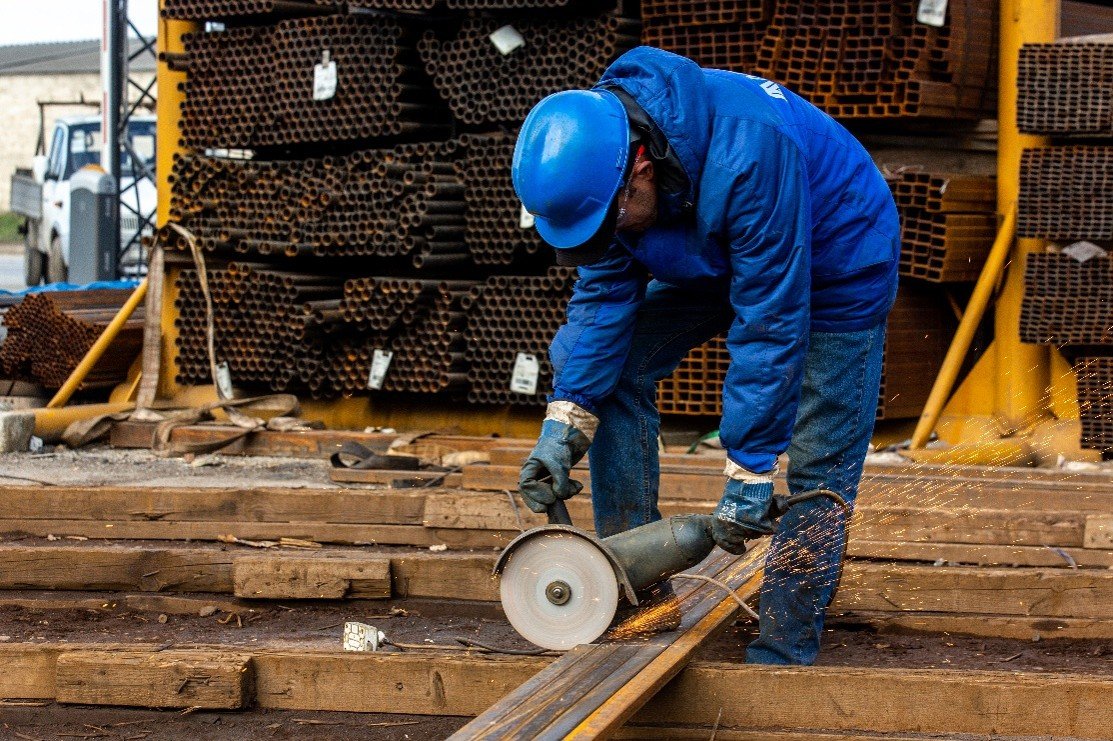
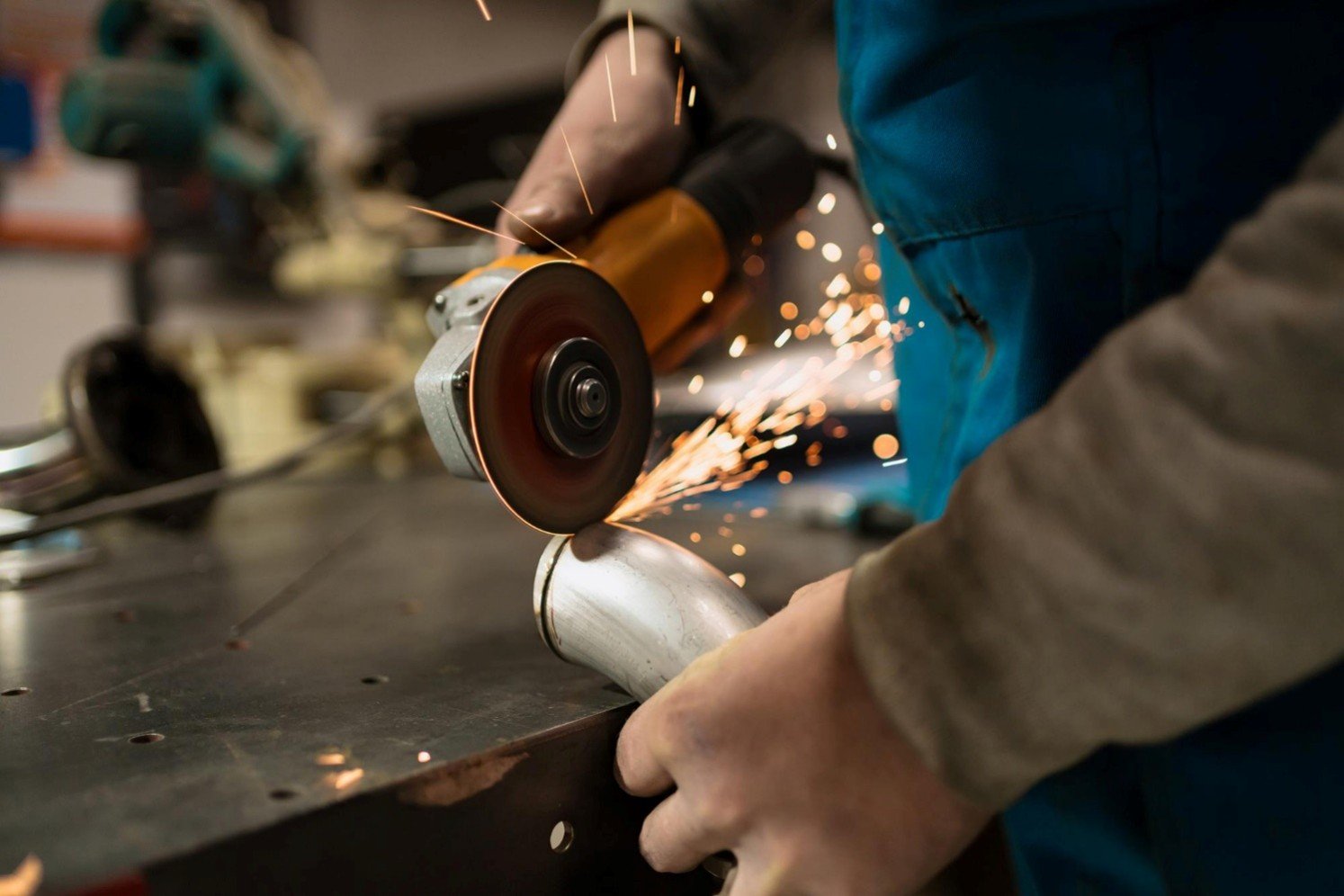
Component manufacturing involves more than cutting or machining metal. Proper drawings, dimensional inspection, machining accuracy, finishing, assembly compatibility, and quality checks all contribute to the final performance of a component.
Reliable industrial machine component manufacturers understand the importance of maintaining consistency across production batches. This becomes particularly important when components are required for heavy-duty or continuous industrial operations.
A Complete Approach to Component Requirements
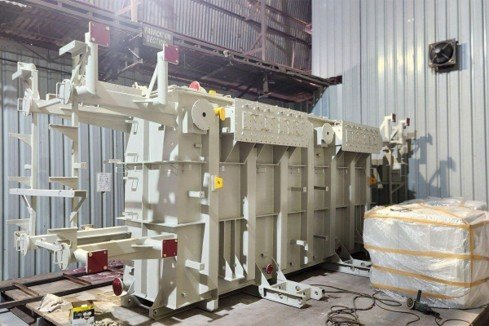
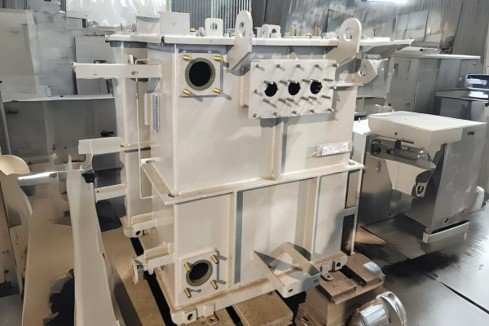
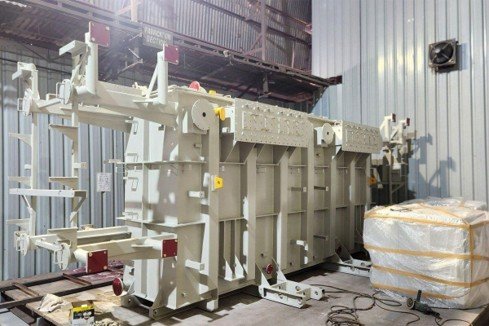
Shrao Engineering provides complete services for industrial machine component requirements, including component fabrication, precision manufacturing, machining, finishing, inspection, and customised solutions based on application needs. Such an end-to-end approach helps businesses address component requirements more systematically.
Ultimately, machine performance is the result of many individual elements working together. Investing in properly engineered and accurately manufactured components can improve operational reliability, reduce unnecessary maintenance, and support better productivity.
Looking for dependable industrial machine components for your application? Contact Shrao Engineering today to discuss your requirements and get a customised engineering solution.
FAQs
1. Why are industrial machine components important?
They support movement, load handling, alignment, and machine operation. Their quality directly influences efficiency, reliability, accuracy, and overall equipment performance.
2. Can poor components reduce machine life?
Yes. Poor-quality components can increase friction, vibration, wear, and mechanical stress, potentially resulting in frequent repairs and reduced machine service life.
3. Does component precision affect machine accuracy?
Absolutely. Proper dimensions and tolerances ensure components fit and operate correctly, supporting smoother movement and consistent machine performance.
4. How does material selection affect components?
Material properties determine strength, durability, hardness, corrosion resistance, and temperature tolerance, making material selection important for specific industrial applications.
5. What causes industrial components to fail?
Common causes include excessive loads, incorrect materials, poor machining, misalignment, inadequate maintenance, corrosion, overheating, and prolonged wear.
6. Should components be customised for machines?
Customisation is useful when standard components cannot meet specific dimensional, load, performance, or installation requirements.
7. How can component quality reduce downtime?
Reliable components generally experience less premature wear and failure, helping minimise unexpected breakdowns and production interruptions.
8. What should businesses check before ordering components?
Check dimensions, tolerances, material specifications, application requirements, manufacturing quality, inspection processes, delivery capability, and customisation options.