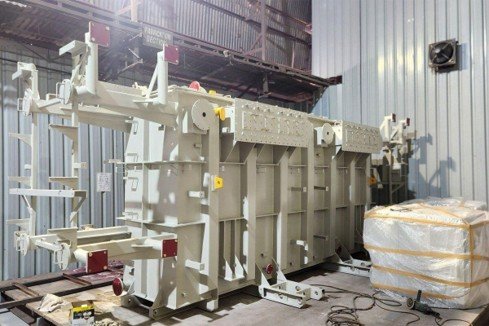
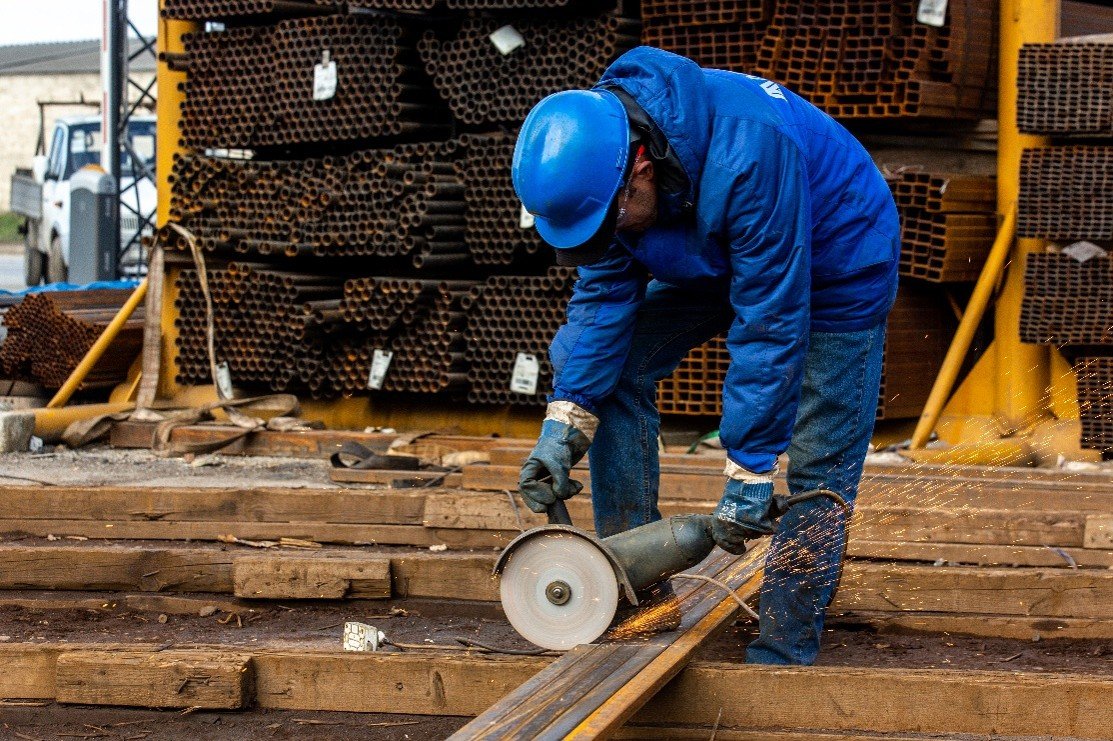
Fabrication products are used across industries where strength, dimensional accuracy, safety, and long-term performance are critical. From structural components and industrial equipment to customised fabricated assemblies, product reliability depends not only on manufacturing quality but also on proper testing and inspection. A systematic quality-control process helps identify defects before products reach the customer or are installed at a project site.
Why Testing and Inspection Matter
Fabrication involves multiple processes such as cutting, forming, welding, machining, and assembly. Each stage can introduce defects if not properly controlled. Testing and inspection verify whether the finished product meets specified dimensions, material requirements, welding standards, and performance expectations.
Regular inspection also helps reduce the risk of premature failure, rework, project delays, and unnecessary maintenance costs. For industries operating under demanding conditions, reliable fabrication can directly contribute to workplace safety and operational efficiency.
Key Inspection Methods
Visual inspection is one of the first and most important quality checks. Professionals examine welds, surfaces, joints, dimensions, and overall workmanship to identify visible defects such as cracks, porosity, distortion, or improper finishing.
Dimensional inspection confirms that fabricated components match approved drawings and specifications. Accurate measurements are particularly important when components must be integrated with other machinery or structures.
For welded fabrication, non-destructive testing (NDT) methods can provide deeper quality verification without damaging the product. Depending on the application, techniques such as ultrasonic testing, radiographic testing, dye penetrant testing, and magnetic particle testing may be used to identify internal or surface-level defects.
Material testing may also be conducted to verify properties such as hardness, tensile strength, chemical composition, and suitability for the intended operating environment.
Quality Assurance During Fabrication
Testing should not be limited to the final product. Inspection at different stages of fabrication helps identify problems early, when corrections are easier and less expensive. Quality documentation, welding procedure checks, material certificates, inspection reports, and traceability records further support consistent manufacturing.
Choosing experienced fabrication product suppliers can help businesses maintain dependable quality and ensure that fabricated components meet project-specific requirements.
Shrao Engineering: Complete Fabrication Services
Shrao Engineering provides complete fabrication services, covering engineering support, material selection, fabrication, welding, assembly, inspection, testing, finishing, and customised solutions. Its quality-focused approach helps ensure that fabricated products are manufactured according to required specifications and industry expectations.
Working with an experienced fabrication company in India can also provide customers with better technical coordination, quality control, and application-specific fabrication support.
Conclusion
Testing and inspection are essential for ensuring fabrication product reliability. By combining quality materials, controlled manufacturing processes, dimensional checks, welding inspection, and appropriate testing methods, manufacturers can deliver products that perform consistently and safely.
Looking for reliable fabrication and inspection support? Contact Shrao Engineering today to discuss your project requirements and get complete fabrication services from engineering to final inspection.
FAQs
1. Why is inspection important in fabrication?
Inspection identifies defects, verifies specifications, and ensures fabricated products meet required quality, safety, and performance standards before delivery or installation.
2. What is visual inspection in fabrication?
Visual inspection examines surfaces, welds, joints, dimensions, and workmanship to identify visible defects such as cracks, distortion, or poor finishing.
3. What is non-destructive testing?
Non-destructive testing detects surface or internal defects without damaging the fabricated component, using methods such as ultrasonic, radiographic, or dye penetrant testing.
4. How does dimensional inspection improve reliability?
Dimensional inspection ensures components match approved drawings and specifications, helping prevent fitting problems, assembly errors, and operational issues.
5. Which defects can fabrication testing identify?
Testing can identify cracks, porosity, weld defects, material inconsistencies, dimensional errors, surface flaws, and other issues that could affect product performance.
6. Is welding inspection necessary for fabricated products?
Yes. Welding inspection helps verify weld quality, joint integrity, dimensions, and compliance with applicable project and industry requirements.
7. When should fabrication inspection be performed?
Inspection should occur throughout fabrication, including material receipt, preparation, welding, assembly, finishing, and final product verification.
8. How does testing reduce fabrication costs?
Early defect detection reduces rework, material wastage, project delays, premature failures, and costly repairs after installation.