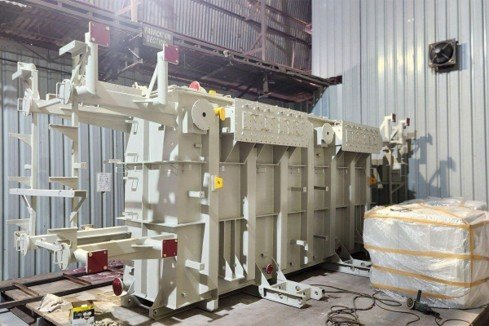
Railway systems depend on durable and accurately fabricated components to support reliable locomotive operation. From structural assemblies to supporting components, every part must meet the required dimensions, material specifications and manufacturing standards.
For railway projects, selecting experienced locomotive parts manufacturers in India is important to ensure that components meet engineering requirements and perform reliably under demanding operating conditions. Manufacturers must follow controlled fabrication processes, maintain dimensional accuracy and carry out quality inspections at different production stages.
Here are the key practices that help manufacturers maintain precision and quality in railway components.
Engineering Drawings and Technical Specifications
Precision manufacturing begins with understanding the client’s technical requirements. Locomotive components may have specific dimensions, shapes, material grades and tolerances.
Manufacturers review approved engineering drawings and specifications before production. This helps ensure that the fabrication process follows the intended design and reduces dimensional errors.
Proper drawing and revision control also help prevent mistakes during manufacturing.
Raw Material Selection and Inspection
Material quality directly affects the strength, durability and suitability of railway components. Manufacturers must select materials according to the approved specifications and intended application.
Important material checks include:
- Verifying material grades and thickness.
- Inspecting incoming raw materials.
- Checking material test certificates where required.
- Maintaining material identification and traceability.
Using materials that meet project requirements helps ensure that fabricated components are suitable for their intended operating conditions.
Precision Fabrication Technology
Locomotive components often involve complex shapes and heavy fabricated assemblies. Suitable machinery and fabrication techniques help manufacturers achieve the required dimensions and consistency.
Common manufacturing processes include:
- CNC laser and plasma cutting.
- Hydraulic bending and rolling.
- Shearing and drilling.
- Welding and assembly.
- Surface preparation and painting.
These processes help produce components such as underframes, skid assemblies and locomotive superstructures according to approved drawings.
Welding Quality and Inspection
Welding is an important part of manufacturing many railway components, particularly structural assemblies. Poor welding can affect joint integrity and the quality of the finished product.
Manufacturers maintain welding quality through suitable welding procedures, trained personnel, correct consumables and inspection at appropriate stages.
Depending on project requirements, welding documentation and inspection methods may also be required to verify the quality of welded joints.
Dimensional Accuracy and Quality Control
Quality inspection helps confirm that fabricated components meet the specified requirements before dispatch.
Manufacturers may conduct checks at different production stages, including:
- Material inspection: Verifying raw materials against specifications.
- In-process inspection: Checking cutting, bending, fit-up and welding operations.
- Dimensional inspection: Comparing finished measurements with approved drawings.
- Final inspection: Reviewing the completed component before dispatch.
Inspection records also help maintain manufacturing consistency and provide documentation for client verification.
Surface Preparation and Finishing
Surface preparation and finishing help protect fabricated railway components from environmental exposure and corrosion, depending on the application and specified coating system.
Manufacturers should follow the required surface preparation, coating and painting specifications. Proper inspection of the finished surface helps identify defects before the components are dispatched.
Why Choose Shrao Engineering for Locomotive Components?
Shrao Engineering Works has been involved in industrial manufacturing since 1982. The company manufactures locomotive components according to client-provided designs, material requirements and specifications.
Its product range includes underframes, skid assemblies and superstructures for diesel locomotives. The company also has fabrication facilities equipped for processes such as CNC laser cutting, hydraulic bending, plasma cutting, rolling, shearing and welding.
With its fabrication experience and manufacturing infrastructure, Shrao Engineering supports customised component requirements for railway applications.
Looking for fabricated locomotive components? Contact Shrao Engineering to discuss your drawings, specifications and project requirements.
Frequently Asked Questions (FAQs)
How do locomotive parts manufacturers in India ensure component quality?
They follow approved engineering drawings, inspect raw materials, use controlled fabrication processes and conduct dimensional, welding and final quality checks.
What types of locomotive components can be fabricated?
Depending on project requirements, fabricated components may include underframes, skid assemblies and locomotive superstructures.
Why is dimensional accuracy important in railway components?
Dimensional accuracy helps ensure that components meet design specifications and fit correctly during assembly and installation.
What should buyers check when selecting rail parts manufacturers in India?
Buyers should evaluate manufacturing experience, fabrication facilities, material quality, welding capabilities, inspection procedures and the ability to meet project specifications.
Can locomotive components be manufactured as per custom designs?
Yes. Fabricated locomotive components can be manufactured according to client-approved drawings, dimensions, material requirements and application-specific specifications.