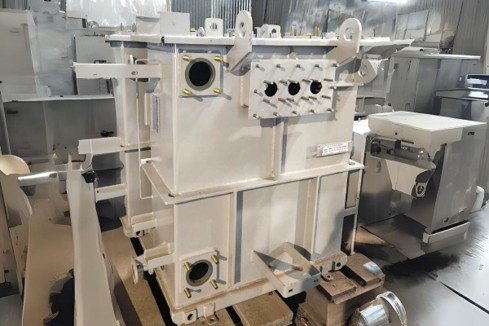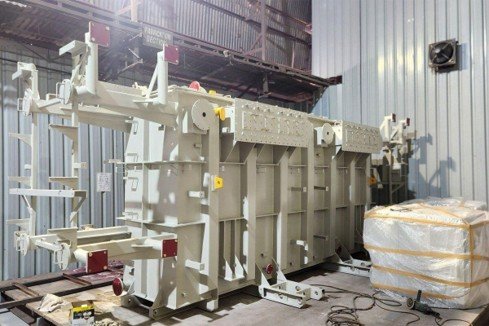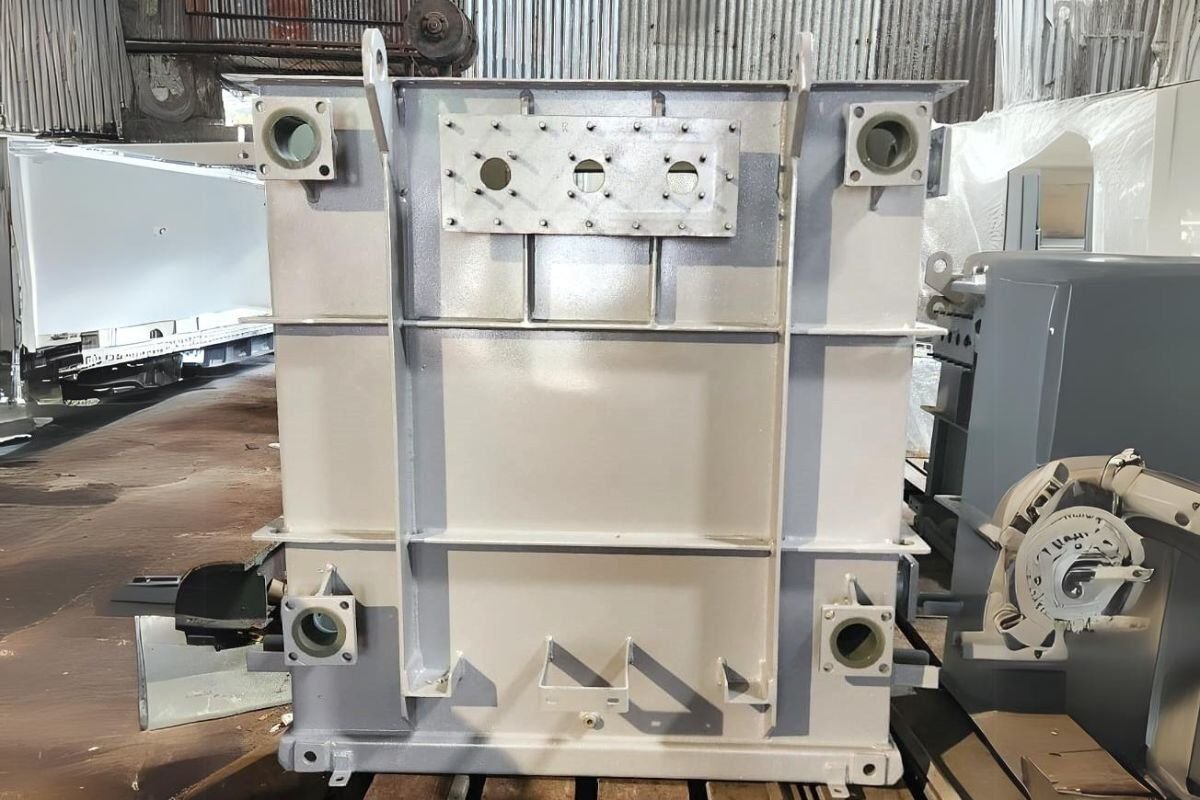
In the world of industrial manufacturing, the success of a final product relies heavily on a single, critical decision made at the very beginning of the project: material selection. Whether it is a massive structural framework, a complex machine component, or a high-voltage transformer tank, the material chosen dictates how the product will perform, how long it will last, and how well it will withstand severe operational stresses.
Here is a closer look at how material selection directly impacts the performance and reliability of fabricated products.
1. Mechanical Strength and Durability
Every application demands specific mechanical properties. Components subjected to continuous friction, heavy vibrations, or immense static loads require metals with high tensile strength and superior fatigue resistance. Top-tier fabrication product manufacturers understand that using a sub-par alloy to cut upfront costs will inevitably lead to premature structural failure, increased operational downtime, and severe safety hazards. Selecting the precise grade of steel, aluminium, or specialized alloy ensures the end product can endure peak operational demands without deformation.
2. Environmental and Corrosion Resistance
The operating environment is a major dictating factor in material selection. A component used in a highly corrosive coastal area or a chemical plant needs vastly different properties than one operating in a dry, indoor facility. Materials must be rigorously evaluated for their resistance to oxidation, extreme temperatures, and chemical exposure. For instance, components in thermal power plants must retain their structural stability under intense thermal cycles. Choosing the correct corrosion-resistant material prevents rust and degradation, significantly extending the product’s lifespan.
3. Manufacturability and Weldability
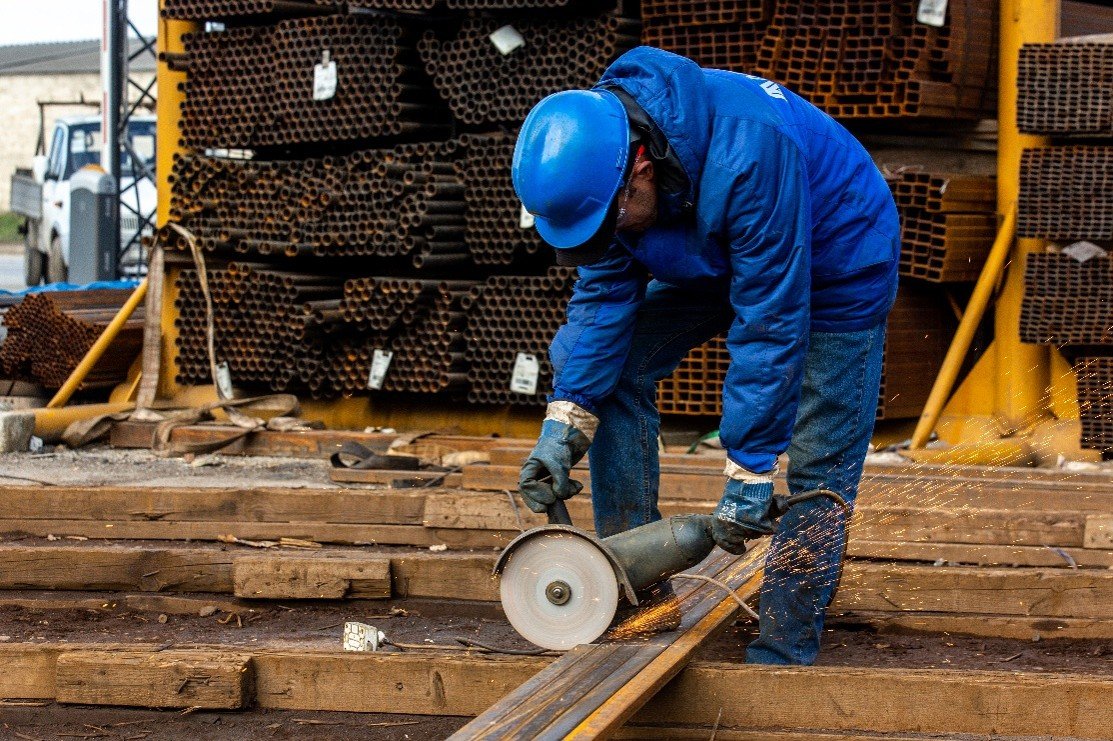
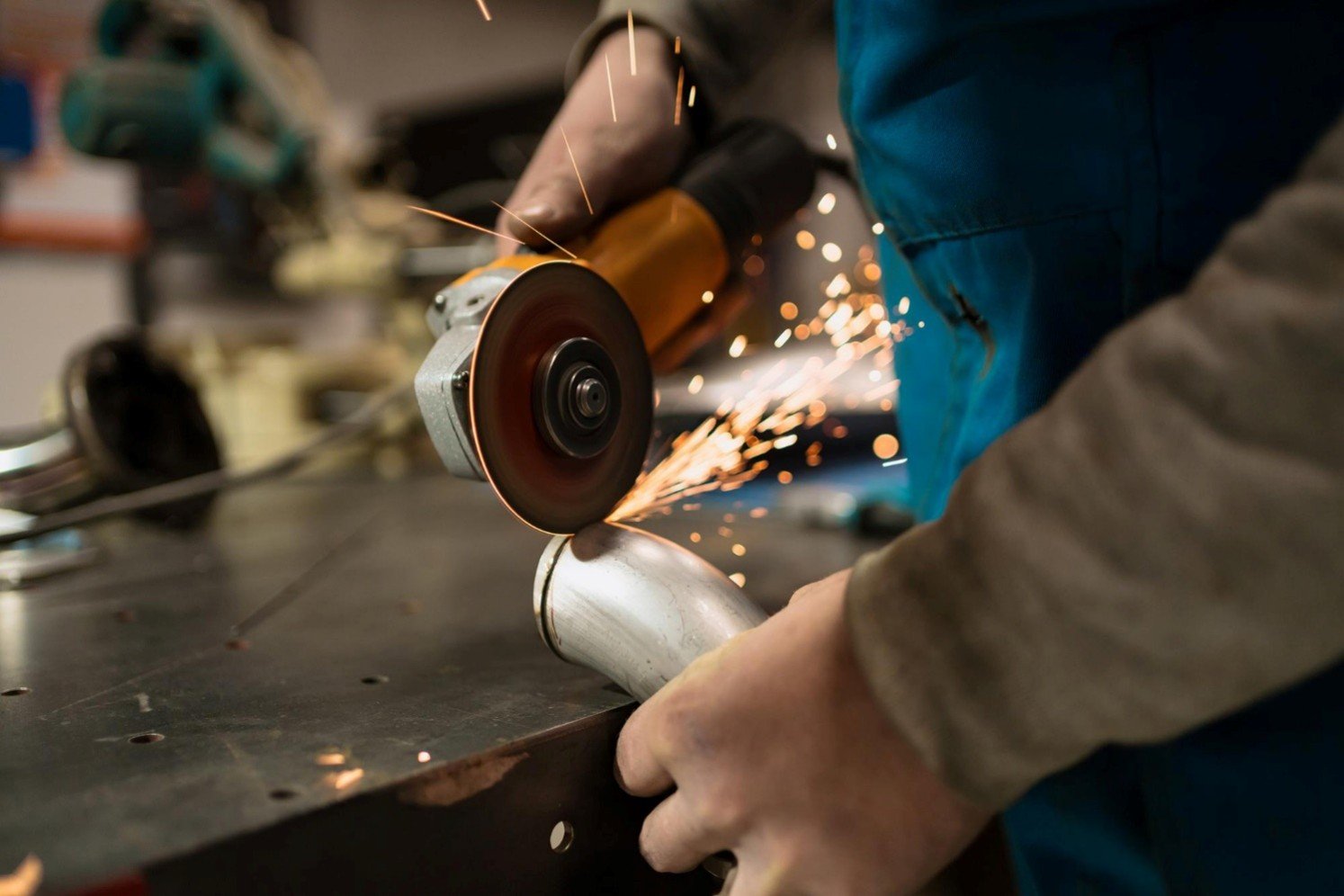
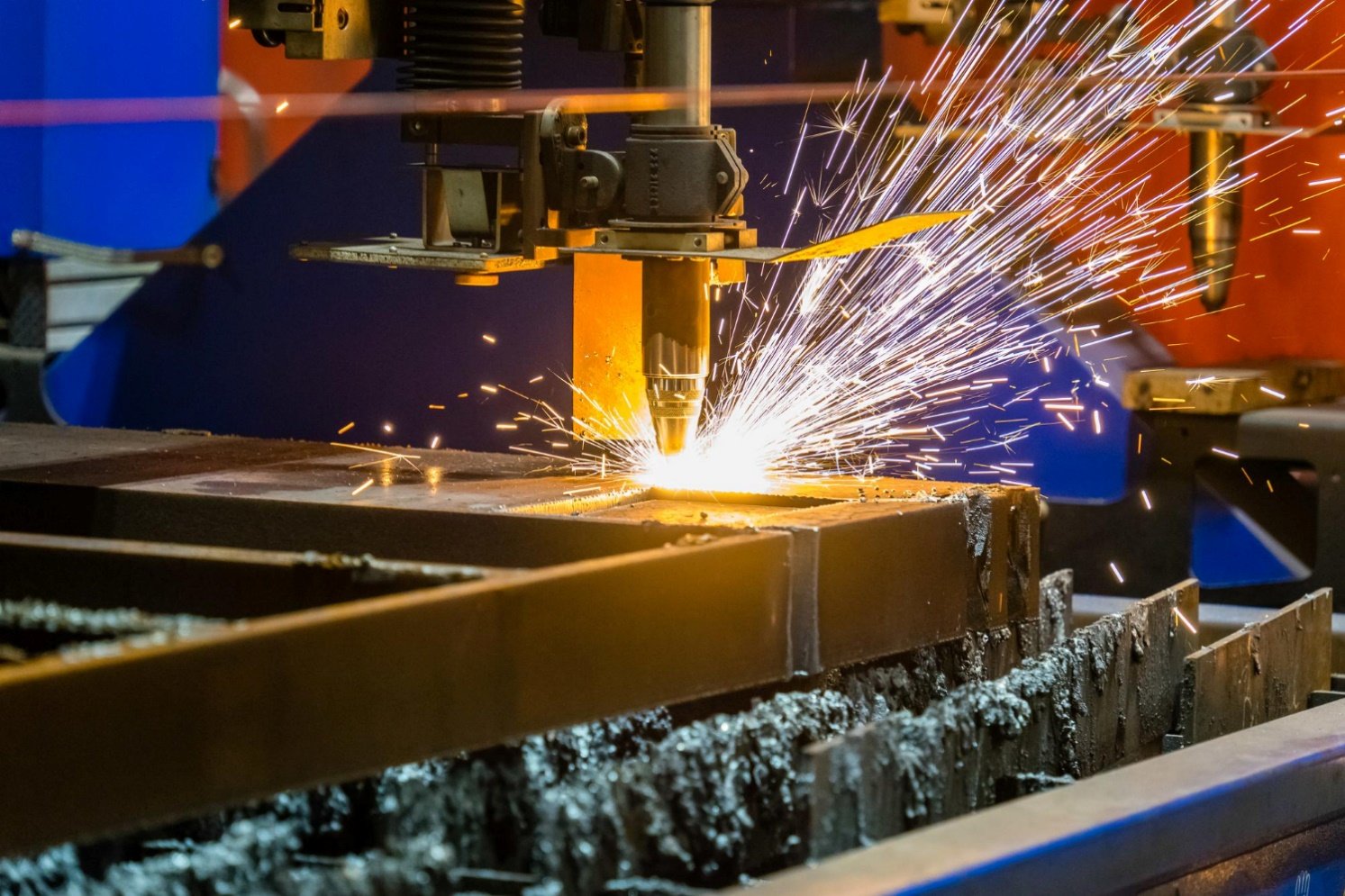
Not all metals are created equal when it comes to the actual fabrication process. A material might boast excellent strength but possess poor weldability or machinability. If a metal is too brittle to bend or too difficult to weld without cracking, it complicates the manufacturing process, driving up costs and extending project lead times. To combat this, the rapidly growing fabrication industries in India are increasingly adopting advanced metallurgy standards to ensure the chosen materials are highly compatible with complex fabrication techniques like heavy plate rolling, precision CNC machining, and automated welding. Balancing material strength with manufacturability is an art that directly impacts project efficiency.
4. Total Cost Of Ownership
While high-performance alloys might carry a higher initial procurement cost, their extended lifespan, operational reliability, and reduced maintenance requirements often provide vastly superior long-term value. Smart material selection focuses on the entire lifecycle of the product, rather than just the immediate manufacturing expenses.
The Shrao Engineering Advantage
Navigating these complex material requirements demands the expertise of a seasoned partner. As a premier heavy fabrication company, Shrao Engineering has spent decades mastering the nuances of material science and industrial manufacturing. We work closely with our clients to analyze their specific application needs, ensuring that every raw material we source meets the highest grades of quality and industry compliance. Our stringent material testing and proven fabrication processes guarantee that the final product is not only dimensionally accurate but structurally invincible.
Build With Confidence
Do not let poor material selection compromise your next critical project. Partner with experts who prioritize precision, durability, and long-term performance.
Contact Shrao Engineering today to discuss your custom heavy fabrication needs and discover how our engineering excellence can power your industrial success!