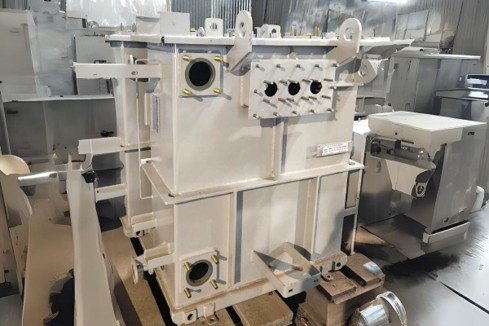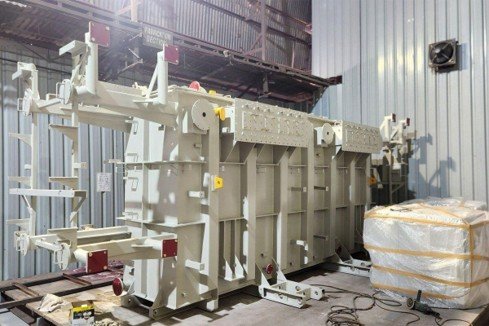
In the world of high-voltage electrical infrastructure, the power transformer is the heart of the grid. While much of the focus remains on the internal windings and core, the transformer tank serves as the critical protective shell that ensures the entire system functions safely and efficiently. Designing a tank for high-voltage applications is a complex engineering feat that requires a balance of structural integrity, thermal management, and precision fabrication.
Here, we explore the key design considerations that leading power transformer tank manufacturers prioritize to ensure long-term reliability.
1. Structural Integrity and Pressure Resistance
A high-voltage transformer tank must withstand extreme mechanical stresses. During the manufacturing process, tanks are often subjected to a full vacuum to remove moisture from the insulation. In operation, they must contain the internal pressure of the insulating oil as it expands and contracts with temperature fluctuations.
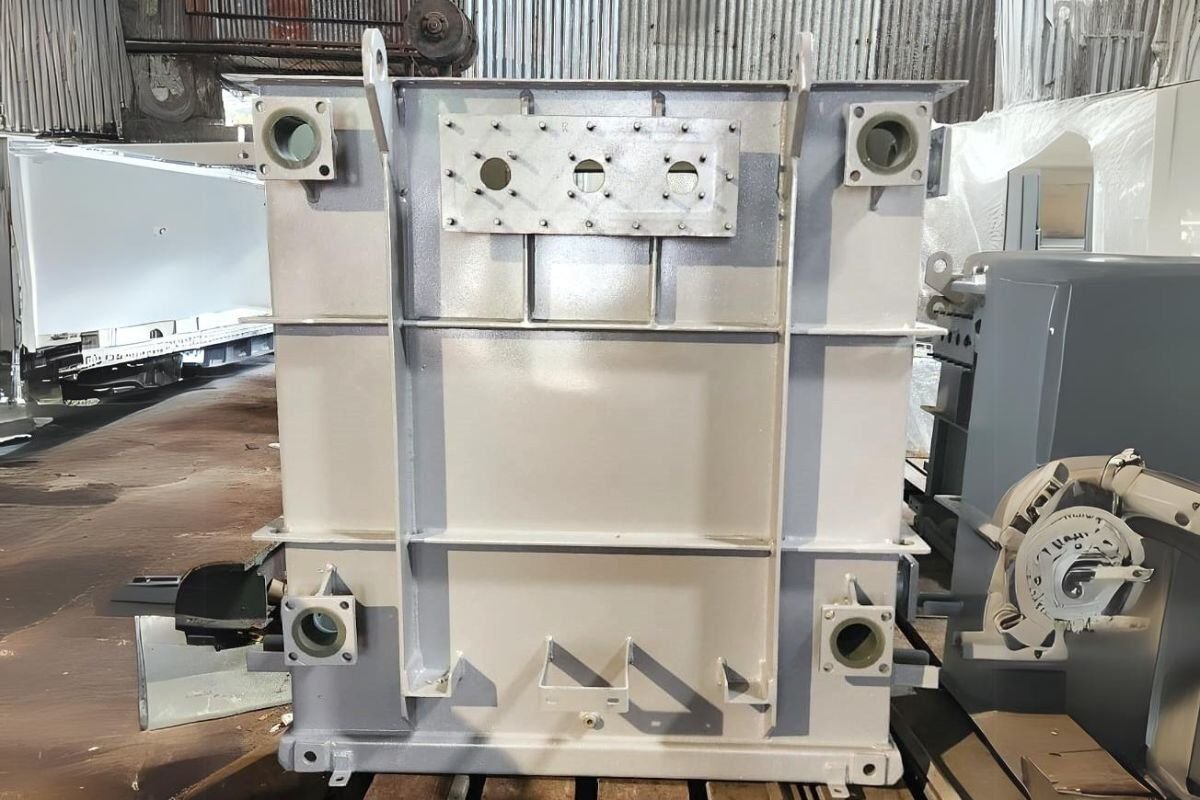
Designers must utilize high-grade steel and strategic reinforcement (stiffeners) to prevent deformation. At Shrao Engineering, we leverage decades of expertise to ensure that every tank is built to handle these rigorous pressure cycles without compromising the seal.
2. Leak-Proof Fabrication
The most common point of failure for a transformer is an oil leak. Even a minor leak can lead to environmental hazards and catastrophic equipment failure if moisture enters the system. Achieving a 100% leak-proof design requires:
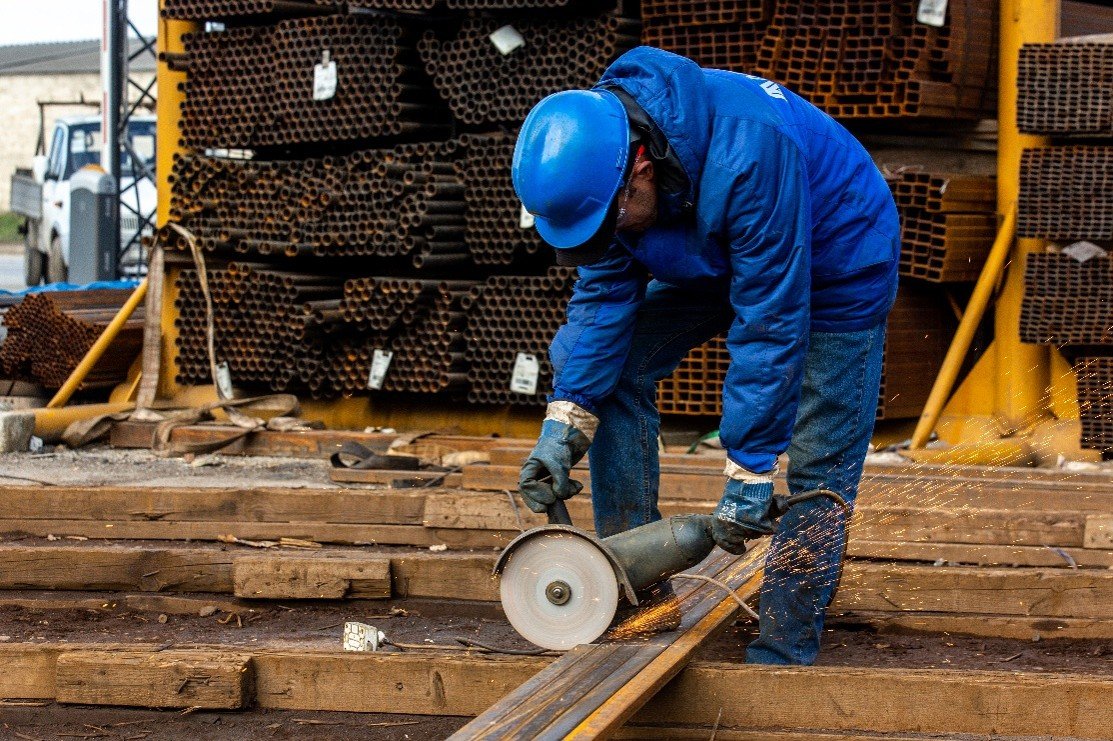
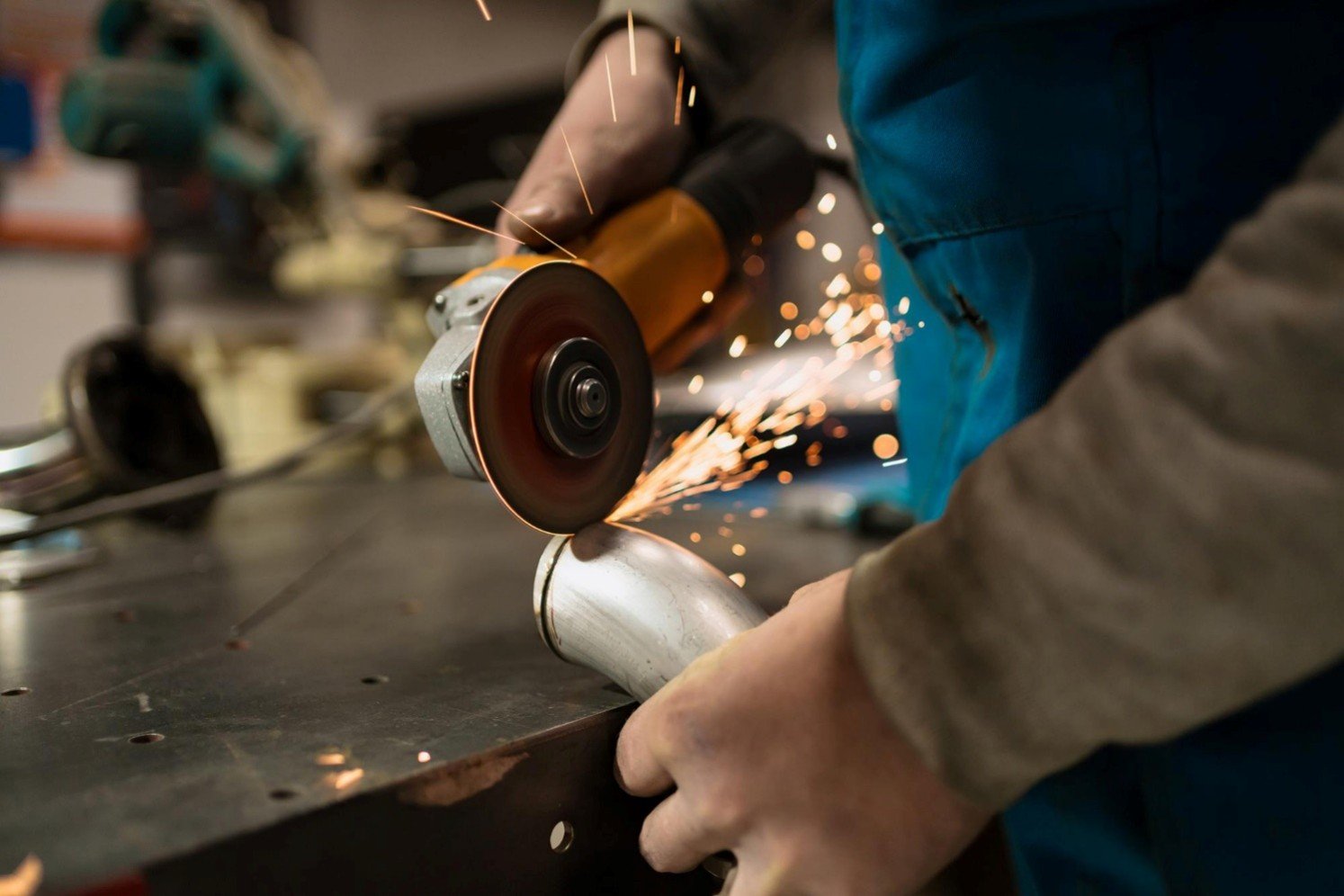
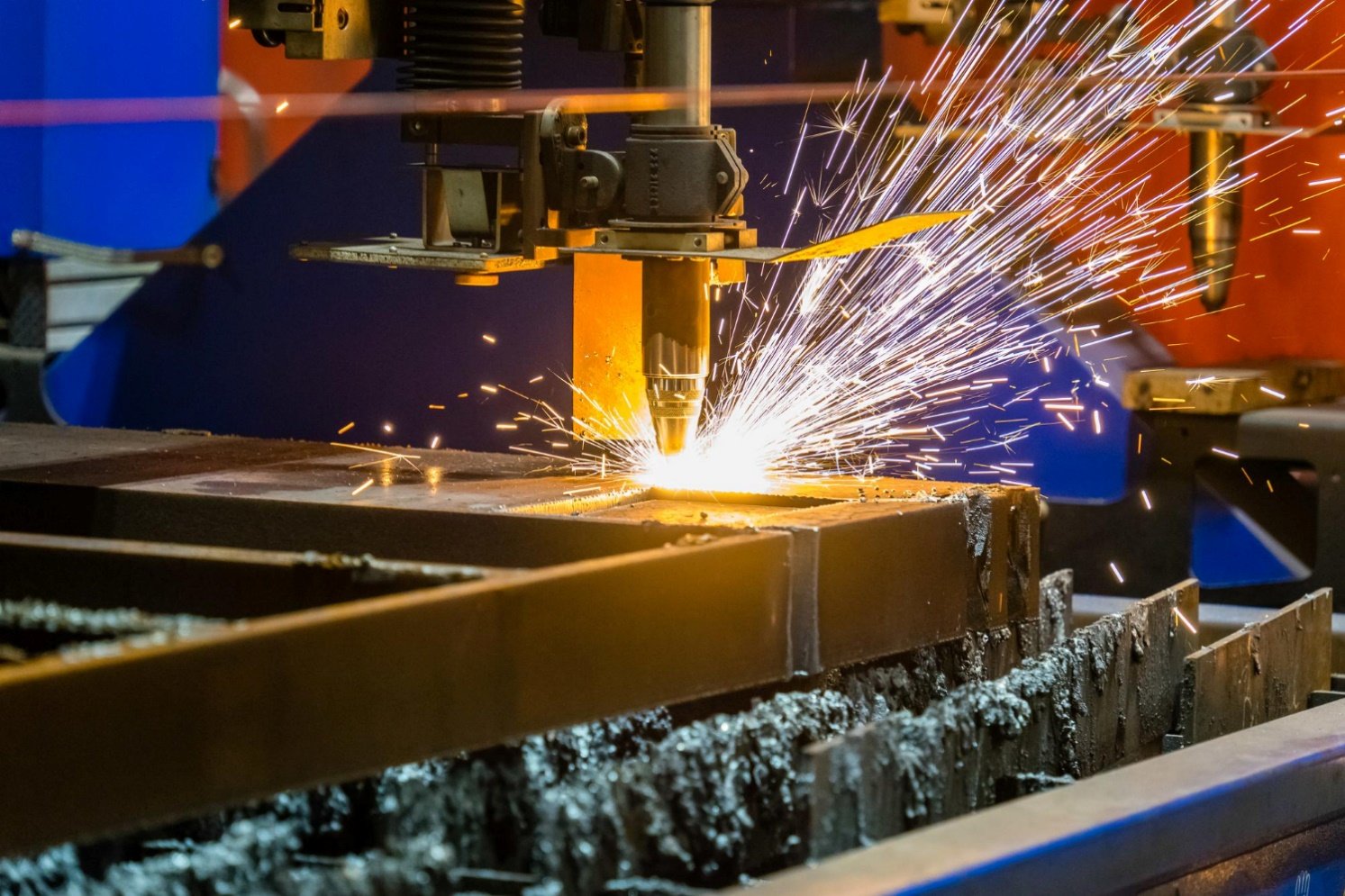
- Precision Welding: Using advanced techniques like submerged arc welding or robotic MIG welding.
- Gasket Surface Preparation: Ensuring that all flange surfaces are perfectly flat and smooth to create an airtight seal.
- Stringent Testing: Utilizing dye-penetrant and pressure tests to verify every joint.
3. Thermal Management and Cooling
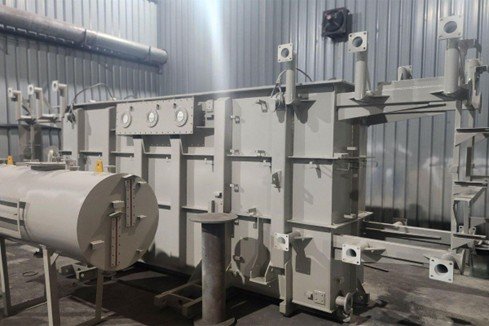
High-voltage transformers generate significant heat. The tank design must facilitate efficient cooling, often through the integration of radiators or cooling fins. The layout must allow for optimal oil circulation (natural or forced) to carry heat away from the core. Advanced designs also consider the impact of magnetic flux; if not managed, stray flux can cause localized “hot spots” on the tank walls, leading to oil degradation.
4. Corrosion Resistance and Environmental Protection
Transformers are often located in harsh outdoor environments, from coastal areas with high salinity to industrial zones with corrosive air. A robust surface treatment is non-negotiable. This usually involves:
- Grit blasting to Sa 2.5 standards for a clean surface.
- Multi-coat epoxy painting or galvanization to prevent rust.
- UV-resistant topcoats to ensure the tank survives decades of sun exposure.
5. Customization and Integration
No two substations are exactly alike. High-voltage tanks must be customized to accommodate specific bushing arrangements, cable boxes, and monitoring equipment. Expert power transformer tank suppliers work closely with utility engineers to ensure that the final product integrates seamlessly with the existing grid infrastructure while remaining transportable within road and rail weight limits.
The Shrao Engineering Advantage
With over 40 years of experience, Shrao Engineering has perfected the art of heavy fabrication. We understand that a transformer tank is more than just a container—it is a sophisticated piece of engineering designed to protect a multi-million-dollar asset. Our commitment to using high-grade materials and proven leak-proof techniques has made us a trusted partner for both domestic and international power projects.
Power Your Infrastructure With Precision
Are you looking for a fabrication partner that understands the complexities of high-voltage systems? Contact Shrao Engineering today to discuss your custom transformer tank requirements. Let our expertise in precision manufacturing drive your operational success.